

Understanding the psychological impacts of gambling What drives the addiction
The Allure of Gambling
Gambling has an undeniable allure, drawing millions into its enticing embrace. The thrill of risking money for the possibility of winning big captivates individuals from all walks of life. This adrenaline rush, often likened to a rollercoaster ride, stimulates the brain’s reward pathways, releasing dopamine, a neurotransmitter associated with pleasure and satisfaction. The sheer unpredictability of outcomes contributes to the excitement, making every bet feel like a new adventure. Many gamers explore options at pinco-crypto.com to find their favorite games.
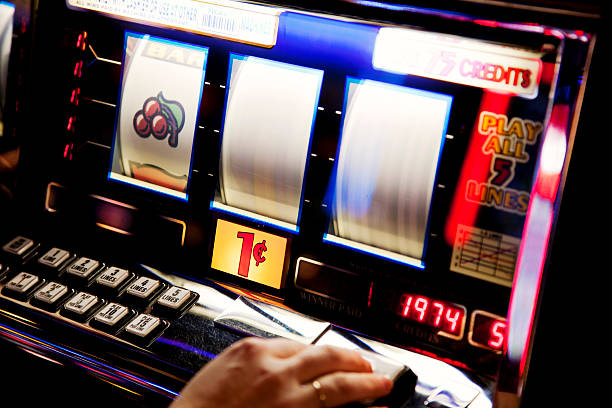
Moreover, the social aspect of gambling cannot be overlooked. Many people are drawn to casinos or online platforms because of the community atmosphere they provide. Whether it’s sharing a table at a casino or interacting with other players during a live dealer game, the social interactions enhance the experience, making it more enjoyable and engaging. This camaraderie can create a sense of belonging, further fueling the desire to participate in gambling activities.
Finally, the availability of various gambling options, from traditional casinos to online platforms, means that individuals can easily access these activities. The rise of cryptocurrency in online gaming environments, such as Pinco casino, has revolutionized the way people gamble, making transactions faster and more secure. This convenience and variety can lure even those who may not have previously considered gambling, illustrating the powerful pull of this pastime.
The Psychology Behind Addiction
The psychological mechanisms driving gambling addiction are complex and multifaceted. At the core of this addiction lies a phenomenon known as variable reinforcement, where the unpredictability of winning reinforces the behavior. When a player wins unexpectedly, the excitement reinforces their desire to continue gambling, leading to a cycle that can spiral out of control. This unpredictable reward system can lead to compulsive behavior, making it difficult for individuals to stop even when they recognize the negative consequences.
Furthermore, cognitive distortions play a significant role in gambling addiction. Many gamblers develop a distorted perception of their chances of winning, often believing they can control outcomes through skill or intuition. This illusion of control fuels a sense of optimism and encourages continued participation, despite mounting losses. Gamblers may also fall prey to the “gambler’s fallacy,” the belief that past events can influence future outcomes, which can further entrench them in their addictive behavior.
The emotional aspect of gambling addiction is equally significant. Many individuals turn to gambling as a means of escaping stress, anxiety, or depression. The temporary relief provided by gambling can create a cycle where individuals feel compelled to gamble more to manage their emotional state. This reliance on gambling for emotional regulation can exacerbate the addiction, making it increasingly difficult for individuals to break free from its grasp.
The Consequences of Gambling Addiction
The impact of gambling addiction extends beyond the individual, affecting families, relationships, and communities. Financial problems are often the most visible consequence, as gambling can lead to significant debt, bankruptcy, and loss of savings. This financial strain can create tensions within families, leading to conflict and breakdowns in communication. Families often bear the burden of their loved one’s addiction, facing emotional distress and uncertainty about their future.
Moreover, gambling addiction can lead to significant mental health issues. Individuals struggling with this addiction may experience increased anxiety, depression, and feelings of isolation. The stigma associated with gambling addiction can make it challenging for individuals to seek help, further complicating their mental health journey. The emotional toll can manifest in various ways, from withdrawal from social activities to difficulty maintaining employment or fulfilling personal responsibilities.
On a broader scale, communities may suffer from the consequences of widespread gambling addiction. Increased crime rates, such as theft or fraud, often correlate with gambling-related financial distress. Furthermore, healthcare systems may face additional pressure as individuals seek treatment for mental health issues related to their gambling behavior. Understanding these societal impacts highlights the importance of addressing gambling addiction not only as a personal struggle but as a public health concern that requires collective action.
Strategies for Recovery
Overcoming gambling addiction is a challenging but achievable process. A multifaceted approach that combines therapy, support groups, and lifestyle changes has proven effective for many individuals. Cognitive-behavioral therapy (CBT) is particularly beneficial, helping individuals identify and change distorted thinking patterns related to gambling. Through CBT, gamblers can learn healthier coping mechanisms and strategies for managing triggers that lead to gambling behavior.
Support from peers is invaluable in the recovery journey. Organizations such as Gamblers Anonymous provide a platform for individuals to share their experiences and learn from one another. This sense of community fosters accountability and encouragement, reinforcing the idea that recovery is possible. Many people find strength in hearing others’ stories, realizing they are not alone in their struggles.
Moreover, adopting a healthier lifestyle can aid in recovery. Engaging in activities that promote well-being, such as exercise, hobbies, or spending time with loved ones, can fill the void left by gambling. These positive experiences can serve as alternative sources of fulfillment, reducing the desire to return to gambling as a coping mechanism. Building a supportive environment is crucial in maintaining long-term recovery, emphasizing the importance of social connections and emotional support.

Exploring the World of Online Casinos
As online casinos continue to rise in popularity, platforms like are becoming central to the gaming experience. Offering a diverse array of games, including slots and live dealer options, these platforms cater to both new and seasoned players. Their user-friendly interfaces and accessibility on mobile devices make it easy for anyone to join the gaming community from the comfort of their home.
With enticing promotions, such as welcome bonuses and free spins, online casinos attract a wide audience. The integration of cryptocurrencies also enhances security and speed, providing a seamless transaction experience for users. This innovation in the gambling world adds an additional layer of excitement, as players can engage in transactions with greater peace of mind.
Ultimately, understanding the psychological impacts of gambling is crucial for both players and operators. While the thrill of gambling can be captivating, being aware of the potential for addiction and its consequences allows individuals to make informed choices. Engaging with responsible gaming practices within platforms like can contribute to a healthier gaming experience, highlighting the importance of awareness and education in the world of gambling.